One partner for the whole scope
A single, accountable partner to design, build and program the complete electrical control package for both the water treatment plant and the sewage treatment plant.
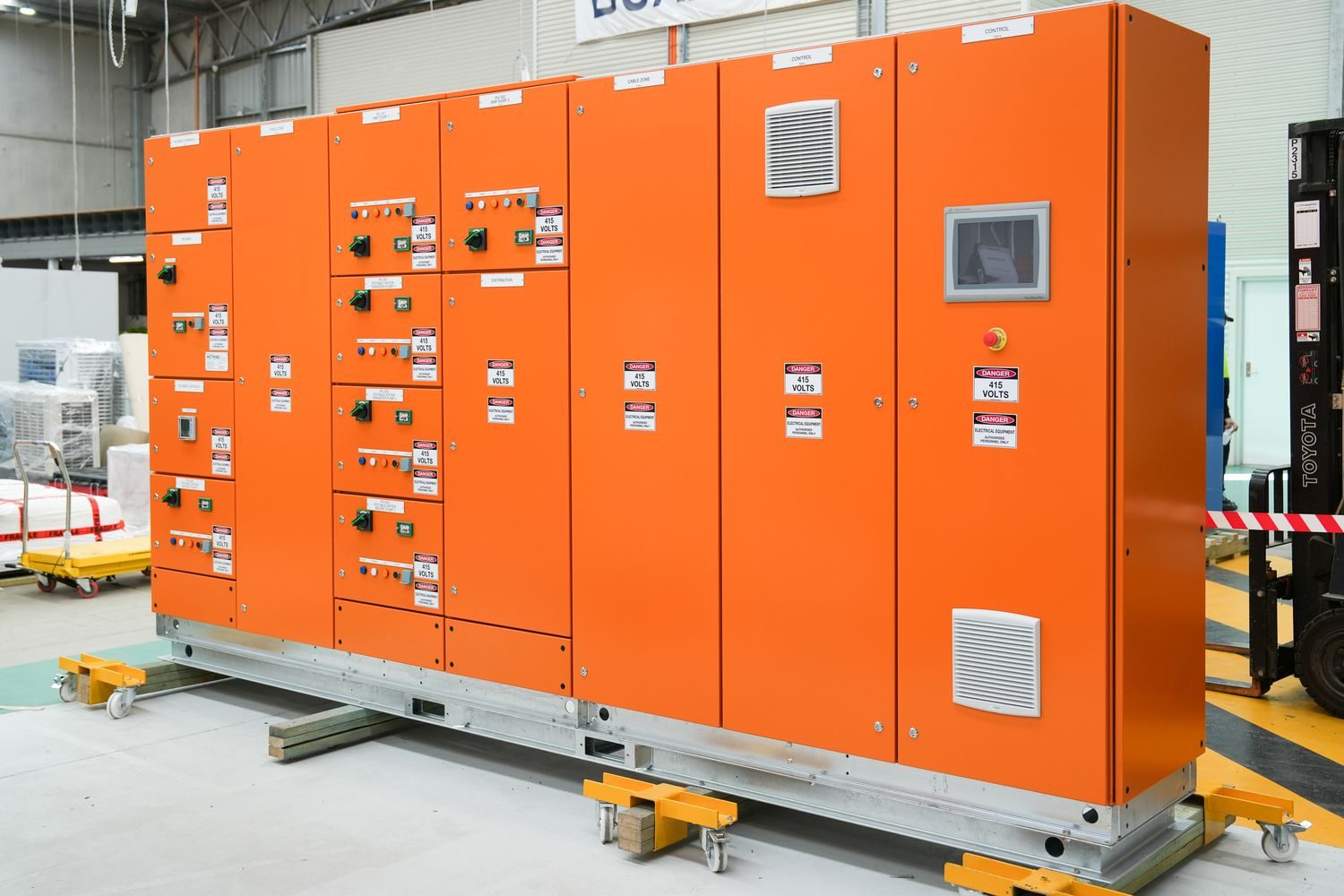
A complete, networked electrical control package for two treatment plants on a remote Queensland mine site, designed, built and programmed in-house.
Metroid was engaged to deliver the complete electrical control scope for a package water treatment plant and mine sewage treatment plant. It was a genuinely complex job: two plants, multiple pump stations and field control stations, all spread across a large mine site, and all of it needing to work as one connected system.
A single, accountable partner to design, build and program the complete electrical control package for both the water treatment plant and the sewage treatment plant.
Every board across the site needed to communicate, despite pump station boards being spread more than a kilometre apart.
The new control system had to slot into the client’s existing site network, enabling both local and higher-level control of the plant.
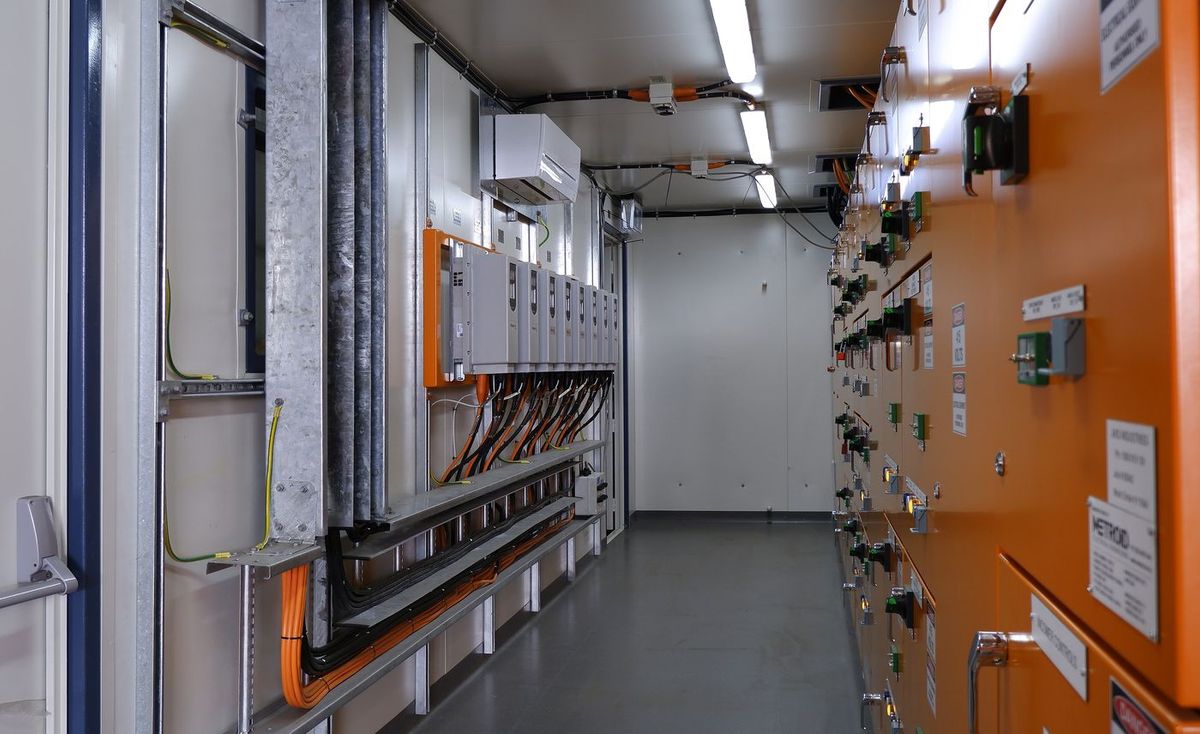
Rugged, compliant, arc-fault-contained switchgear able to handle a demanding mining site, with custom field enclosures for harsh outdoor duty.
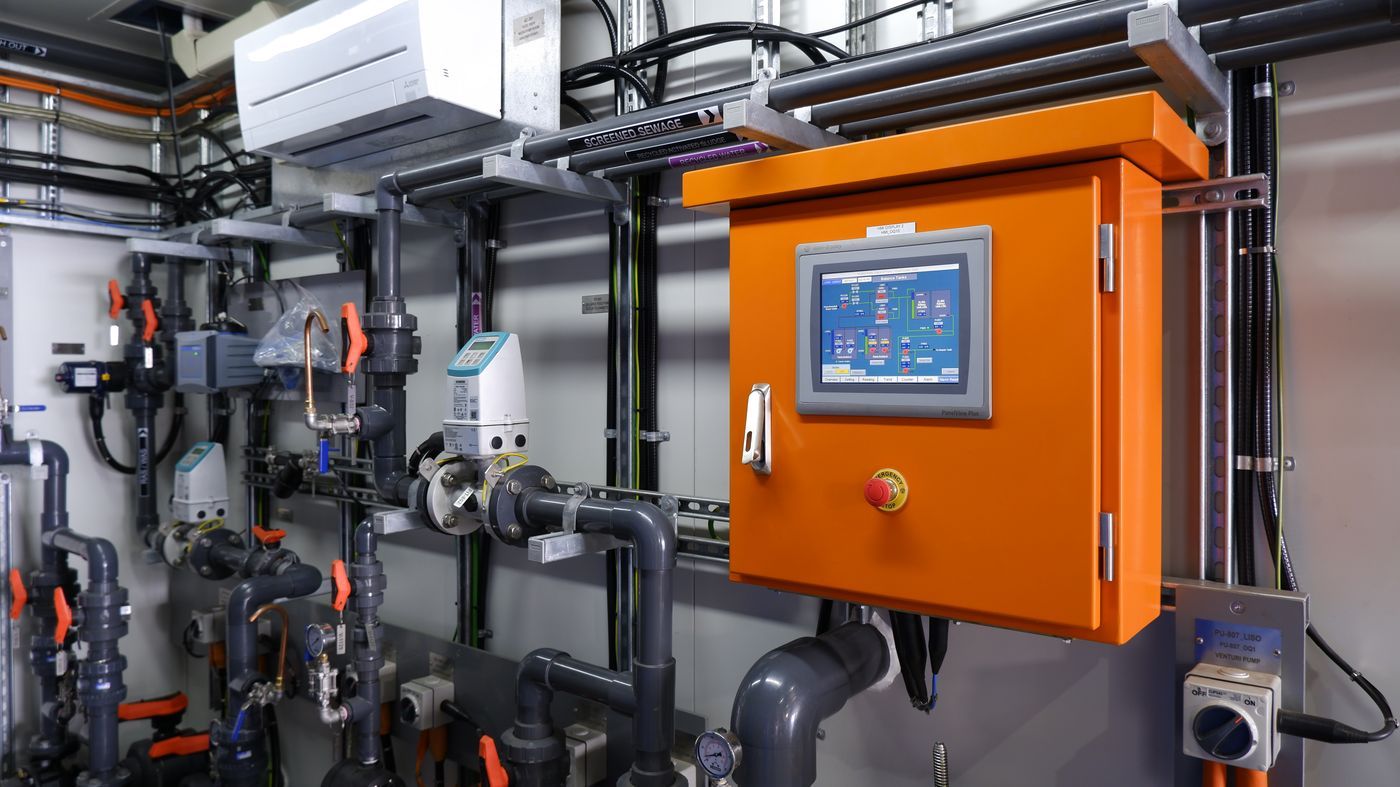
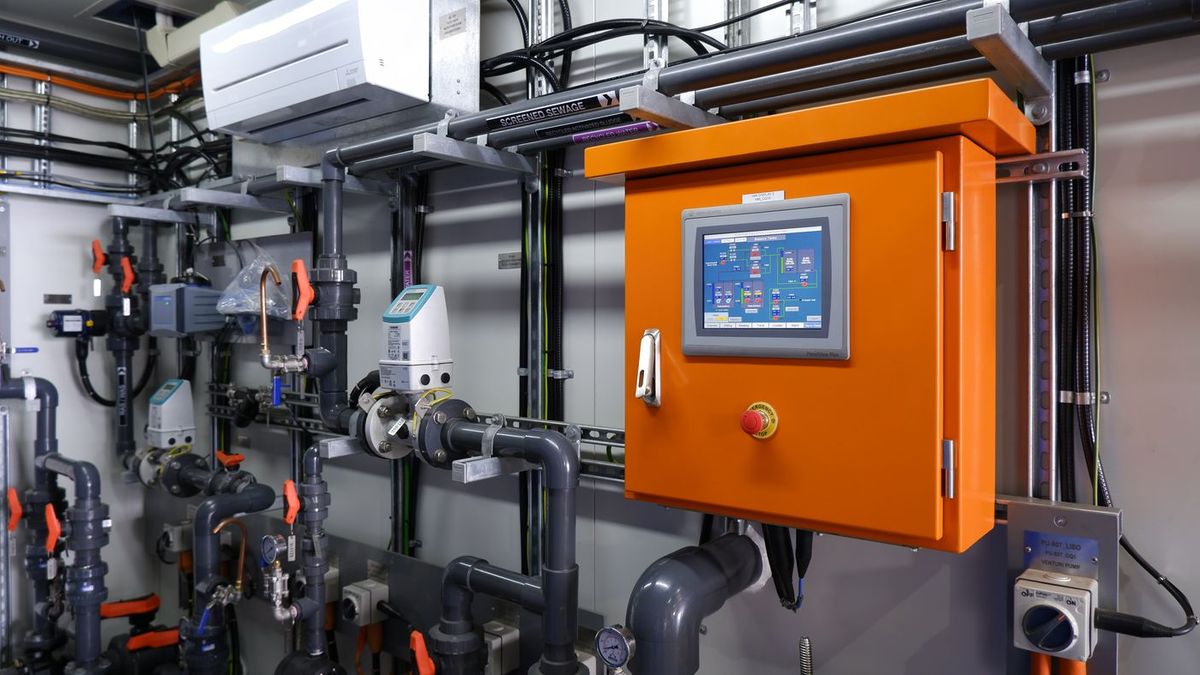
Remote monitoring and control through operator HMIs, so the plant could be run and diagnosed with confidence.
The hardest part of this project wasn’t any single board, it was the network. Seven control boards had to communicate as one system, with some of the pump station boards sitting more than a kilometre apart across the site.
We designed the network architecture and integrated it into the client’s existing site network, using Cisco managed switches and a dedicated fibre optic communications panel to give reliable local and higher-level control across the whole plant.
From the first drawing to the final commissioned program, it all came together in one building in Bendigo. Here’s how we delivered it.
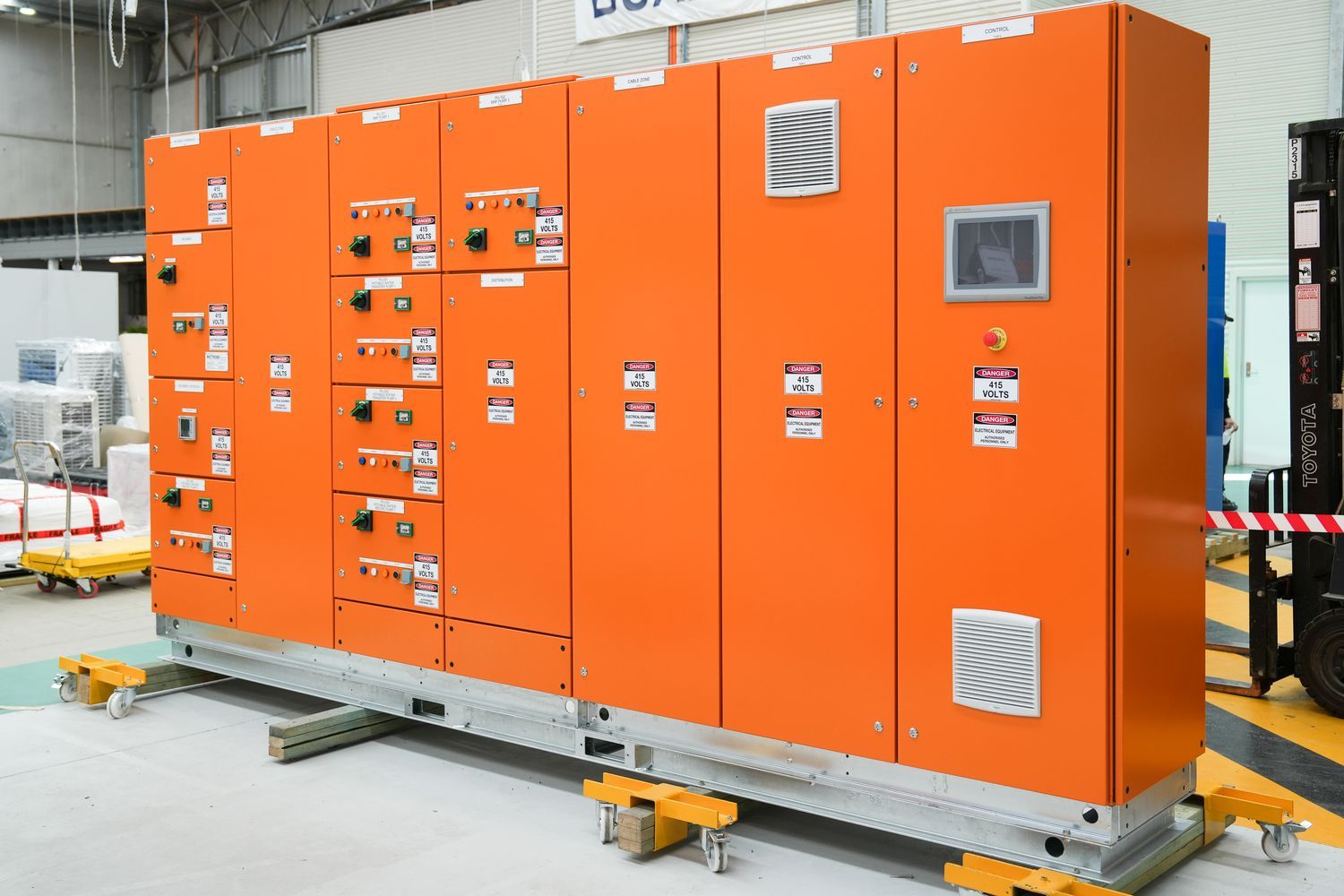
We designed, built and programmed the entire scope under one roof: the WTP and STP motor control centres, five pump station control panels, eighteen local control stations, three remote HMI panels and a power distribution panel. One partner, one point of accountability, one integrated result.
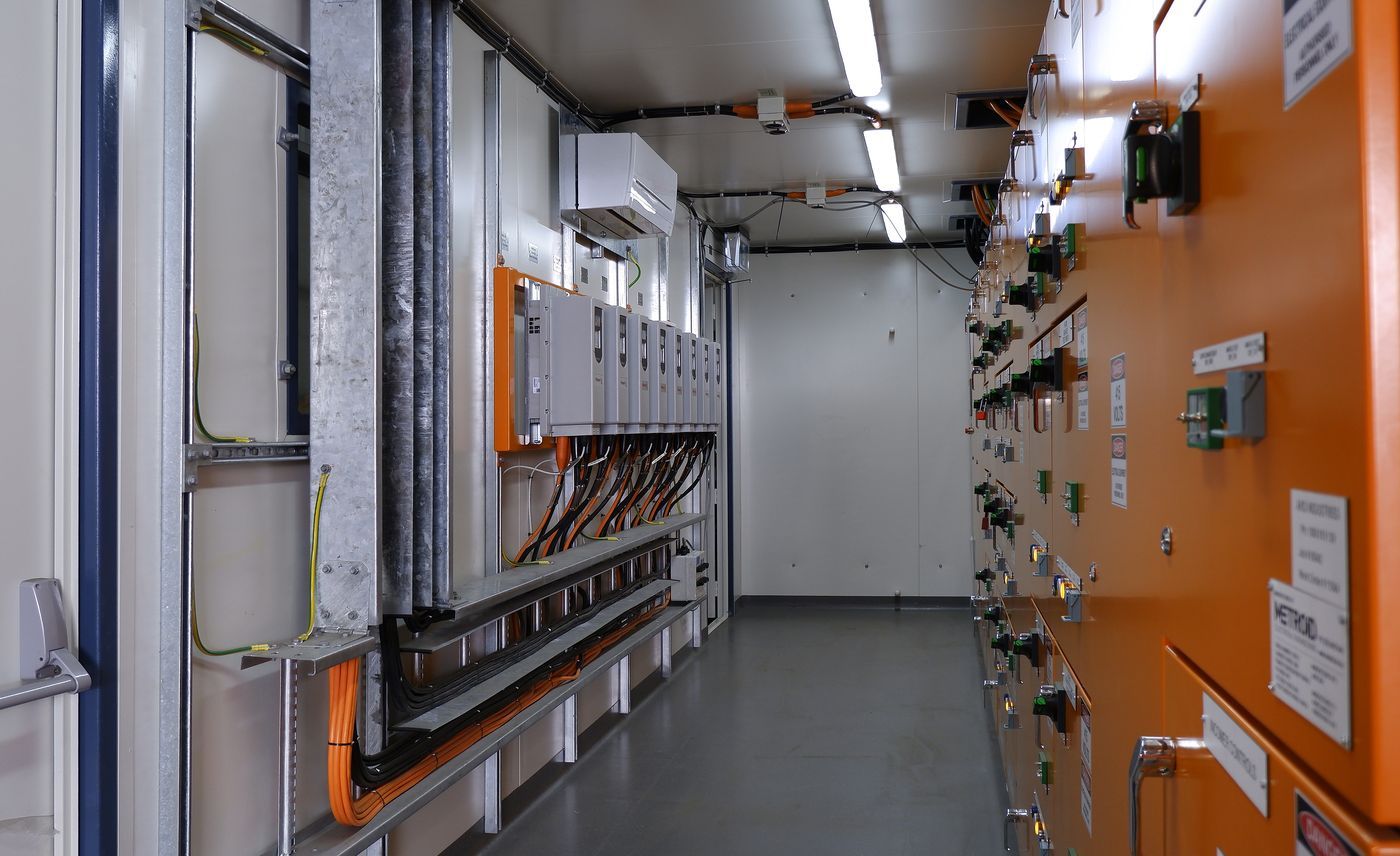
The core challenge was connecting seven control boards into one coherent system, some of them over a kilometre apart. We designed the network architecture and integrated it into the client’s existing site network, using Cisco managed switches and a dedicated fibre optic communications panel so every board, station and HMI could talk to each other reliably.
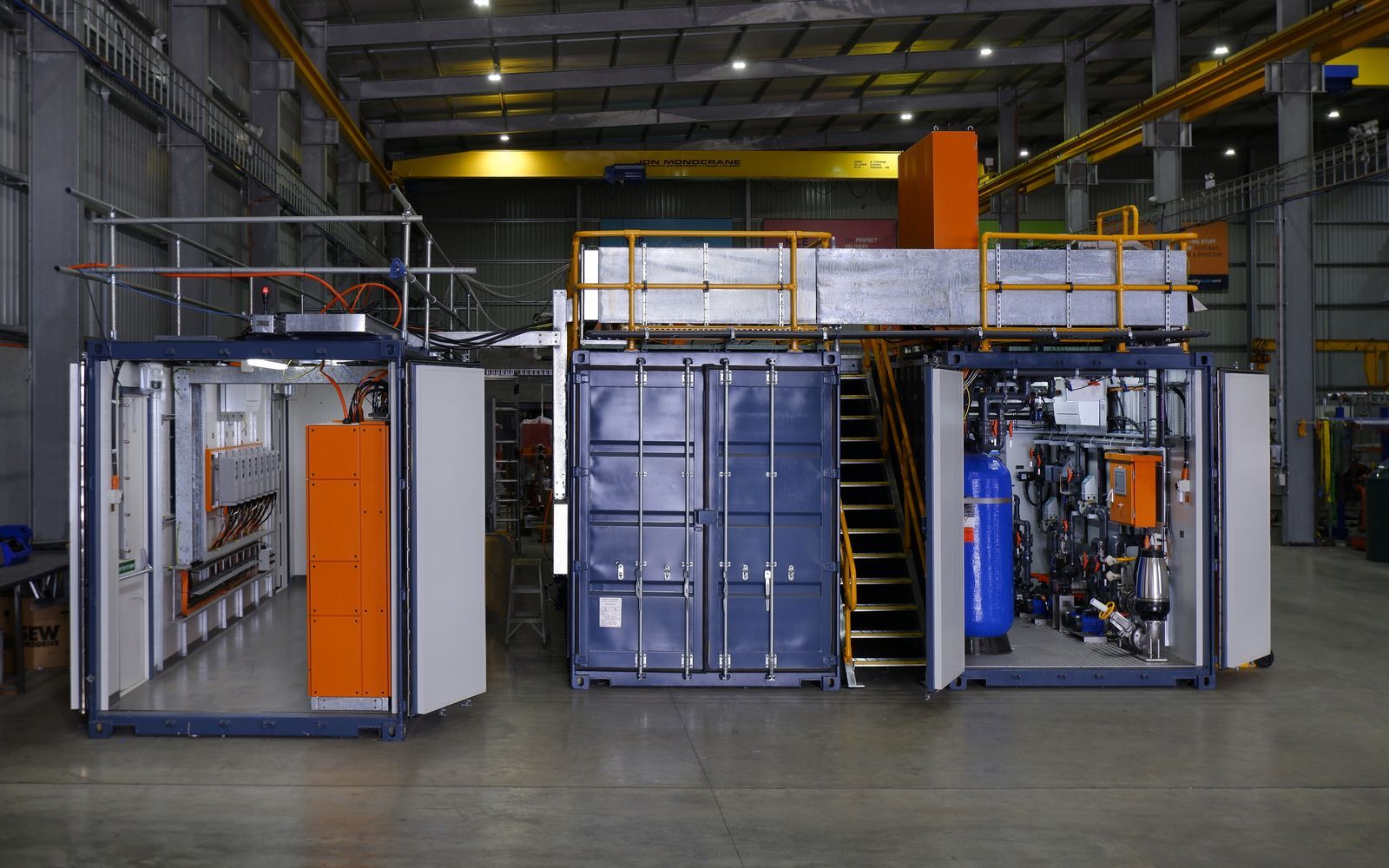
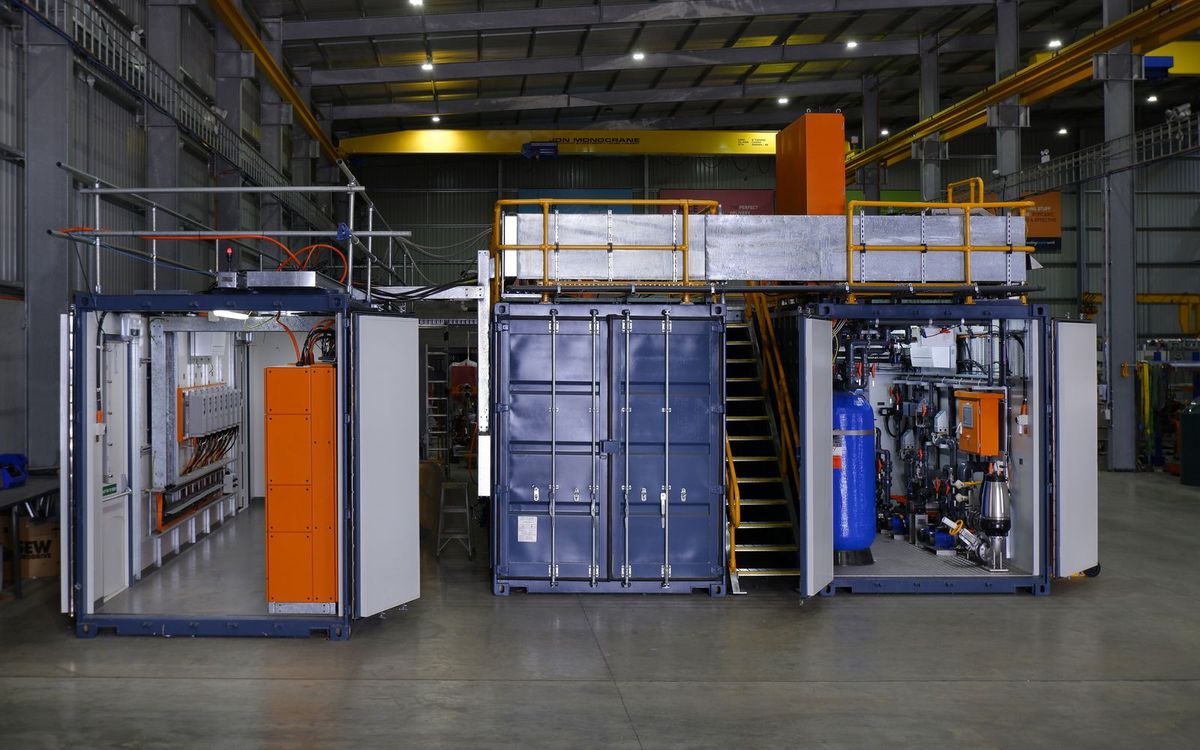
The plant control was delivered as containerised switchrooms, fully fitted, wired and tested in Bendigo, then transported to site. Fitting off and commissioning happen in a controlled factory environment, not in the field, which slashes on-site time and risk.
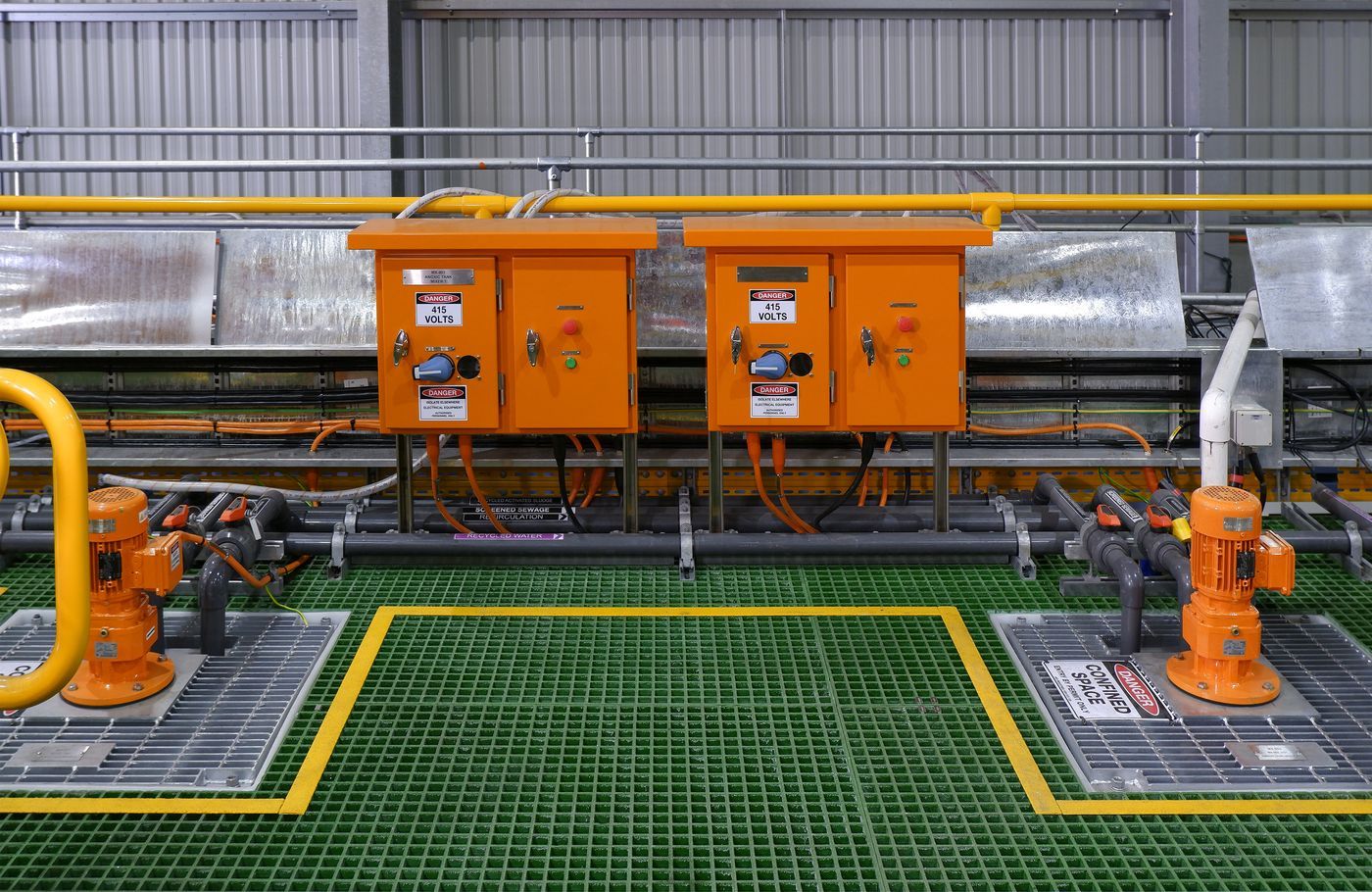
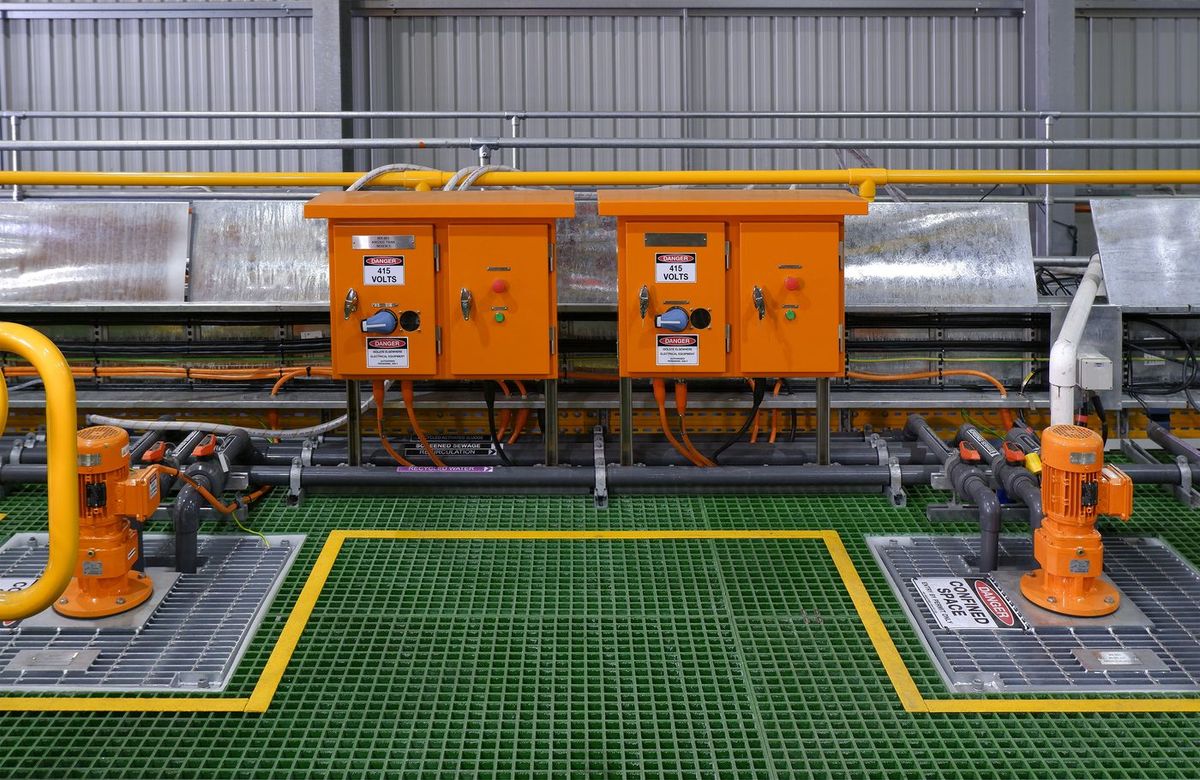
Out in the plant, custom stainless steel pump station enclosures and local control stations put safe, robust control right at the equipment, standing up to a wet, corrosive treatment environment.
Two arc-fault-contained Form 4b motor control centres anchored the plant, backed by a system-wide feature set engineered for reliability, safety and remote control.
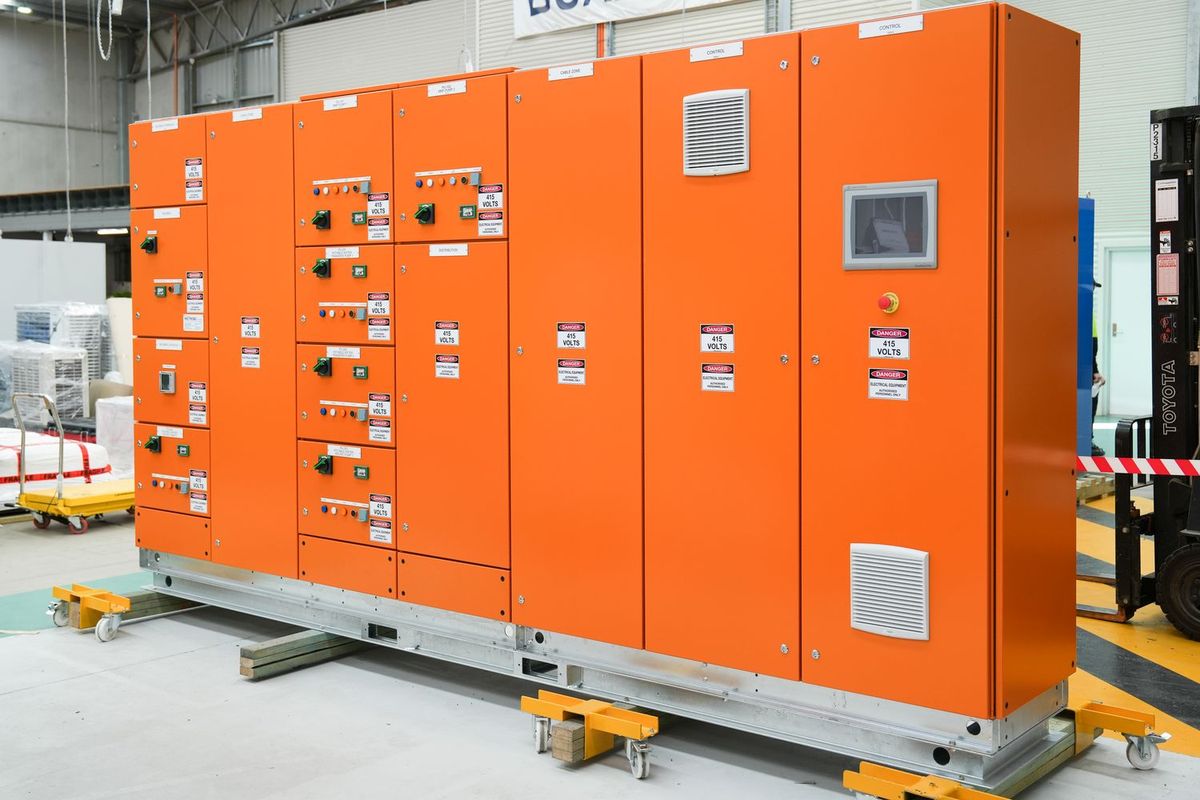
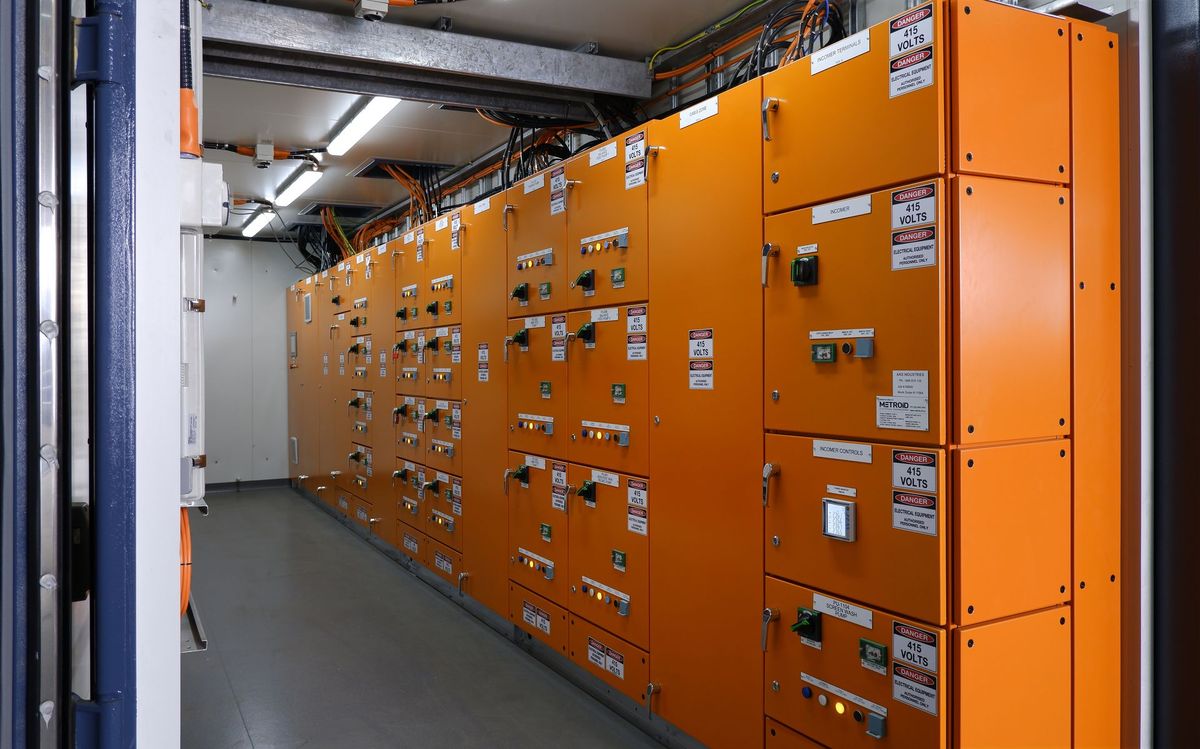
By owning design, construction and programming end to end, we turned a demanding multi-plant, multi-site brief into one integrated system the client could deploy and operate with confidence.
Design, construction and programming delivered in-house meant no gaps between disciplines and no finger-pointing, just one team owning the whole electrical outcome.
Seven boards, eighteen local stations and three HMIs, spread across a kilometre of site, brought together into one reliable, networked control system.
Arc-fault-contained Form 4b MCCs, earth leakage protection on every outgoing circuit and UPS backup on each plant put operator safety and uptime first.
Factory-tested containerised switchrooms and pre-loaded programs meant a faster, cleaner commissioning on a remote site.
Metroid took our complete electrical scope, both plants, the pump stations and every field control, and handed back one integrated system that simply worked. Having design, build and programming under one roof made a genuinely complex, distributed network straightforward for us.